

Key Takeaways
- Being free from illness is only one piece of a much larger puzzle that includes emotional, social, spiritual, and occupational dimensions of life
- The global focus on well-being has grown into a multi-trillion dollar economy, reflecting a cultural shift toward preventive and holistic living
- Small daily habits like short walks, consistent sleep, and mindful breathing can measurably reduce the risk of depression and anxiety
- Lifestyle behaviors are now recognized by mental health professionals as both preventive and therapeutic tools for serious psychological conditions
- A balanced routine addresses multiple dimensions of life simultaneously rather than focusing on physical fitness alone
- Sustainable change comes from stacking small, repeatable actions rather than chasing dramatic overhauls
- Environment, relationships, and purpose play just as large a role in thriving as diet and exercise
Why We Confuse Two Very Different Ideas
Walk into any pharmacy, scroll through any wellness influencer’s feed, or flip through a glossy magazine, and you will see the words “health” and “wellness” used almost interchangeably. They appear on vitamin bottles, yoga studio signs, and insurance pamphlets. Most of us nod along without really thinking about what each term actually means.
But these two concepts are not twins. They are not even siblings in the same strict sense. One describes a condition of the body, while the other describes a way of living that touches every corner of your existence. Confusing them can leave people chasing the wrong goals, measuring progress with the wrong yardstick, and feeling defeated when their blood work looks fine but their life still feels off.
Understanding how these ideas diverge, and where they overlap, matters because it shapes the daily choices you make. It influences whether you focus only on avoiding sickness or whether you actively build a life that feels rich, balanced, and meaningful across many dimensions.
How Experts Actually Define These Terms
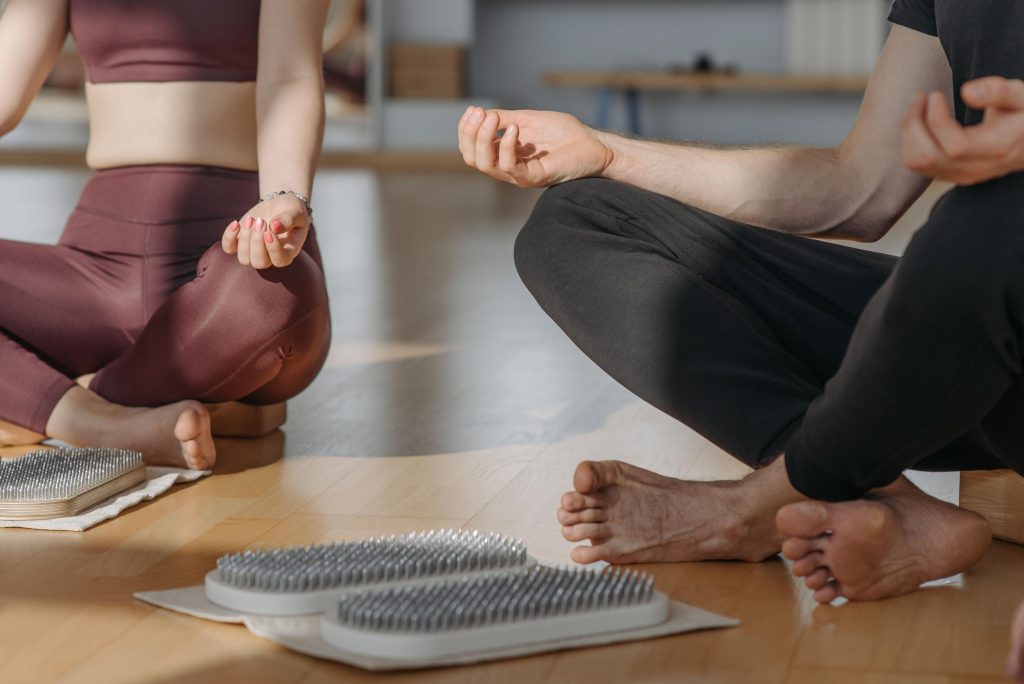
The clearest way to grasp the difference between wellness and health is to look at how medical professionals describe each one. According to Sanford Health, health typically refers to a body that is free of disease while wellness describes a broader balance across physical, social, spiritual, emotional, intellectual, environmental, and occupational dimensions. That distinction is more than semantic hairsplitting.
Health, in the strictest sense, is often binary or clinical. A doctor measures it with lab values, imaging, and physical exams. You either have a diagnosis or you do not. Your cholesterol is either in range or it is not. This framing is useful because it gives us something concrete to track, but it is also limiting because it tells you almost nothing about how you actually feel day to day.
Wellness, by contrast, is a verb more than a noun. It is a continuous process of making choices that move you toward thriving rather than merely surviving. Someone can be medically healthy and still feel exhausted, isolated, or purposeless. Likewise, someone managing a chronic condition can still cultivate a deep sense of well-being through relationships, meaningful work, and daily rituals that nourish them.
The Rise of a Trillion-Dollar Well-Being Movement
The global appetite for balanced living has exploded over the past two decades. According to the Global Wellness Institute, the worldwide well-being economy hit $6.8 trillion in 2024 and is forecast to climb to $7.9 trillion by 2026, growing at roughly 7.6 percent annually. Those numbers are staggering, and they reveal something important about where human attention is heading.
People are no longer satisfied with simply not being sick. They want energy, mental clarity, better sleep, deeper relationships, and a sense of purpose. This shift has pulled everything from meditation apps to functional mushroom lattes into the mainstream. The sheer size of the industry also means consumers face an avalanche of options, many of which are marketed with bold promises and thin evidence.
Navigating this landscape requires some discernment. Not every supplement, retreat, or gadget delivers on its claims. The most reliable improvements still come from unglamorous basics: sleep, movement, nutrition, connection, and stress management. Treating your personal wellness as a long-term practice rather than a product to purchase helps you cut through the noise and focus on what actually changes how you feel.
The Daily Habits That Quietly Rewire Your Life
Small, repeatable actions carry far more weight than occasional dramatic efforts. Consider walking. According to UCLA Health, research from the American Psychological Association indicates that just 10 to 15 minutes of daily walking may reduce the risk of depression by 18 percent. That is a remarkable return on a modest time investment.
The reason small habits matter so much is compounding. A single walk does little in isolation, but a walk taken every day for a year rewires your cardiovascular system, your mood regulation, your sleep architecture, and your relationship with your own body. The same logic applies to drinking water, stretching, journaling, or calling a friend.
Here are a few low-effort daily practices that tend to deliver outsized results over time:
- A consistent sleep and wake window, even on weekends
- Ten minutes of morning sunlight within an hour of waking
- One serving of leafy greens or colorful vegetables at a meal
- Two to three minutes of slow, intentional breathing before stressful tasks
- A short walk after at least one meal per day
- A brief check-in with someone you care about
Stacking Habits So They Actually Stick
One reason people abandon new routines is that they try to add too much at once. A more durable approach is habit stacking, which means attaching a new behavior to something you already do automatically. After you pour your morning coffee, you do two minutes of stretching. After you brush your teeth, you write down one thing you are grateful for.
This technique works because it borrows the neural scaffolding of an existing routine instead of asking your brain to build something from scratch. Over weeks, the new behavior becomes nearly as automatic as the anchor habit. The key is to start absurdly small. Two minutes feels ridiculous, which is exactly why it survives busy days.
How Lifestyle Choices Shape Mental Well-Being
The conversation around daily habits used to focus almost entirely on the body. Today, the mental health field has caught up to what many traditions understood intuitively. According to the American Psychiatric Association, healthy lifestyle behaviors can help both prevent and treat conditions including anxiety, depression, bipolar spectrum disorders, post-traumatic stress disorder, and psychotic disorders. That is a powerful endorsement frommainstream medicine, and it reframes diet, sleep, and movement as legitimate clinical tools rather than fringe advice.
What this means in practice is that the lines between physical and psychological care are blurring. A psychiatrist might now recommend strength training alongside therapy. A primary care doctor might ask about social connection the same way they ask about blood pressure. The old habit of treating the mind and body as separate systems is giving way to a more integrated view.
Where Self-Care Fits Into the Picture
Self-care has become one of the most overused phrases of the decade, often reduced to bubble baths and expensive candles. The real version is less photogenic and more effective. It looks like saying no to a commitment that would drain you, going to bed at a reasonable hour even when a show is tempting, or scheduling a doctor’s appointment you have been avoiding.
Genuine mindful self-care practices tend to feel slightly uncomfortable in the short term because they require choosing a future benefit over an immediate pleasure. That discomfort is usually the signal that the practice is working. Learning to distinguish between what soothes you in the moment and what actually restores you is one of the most valuable skills you can develop.
Contrasting a Thriving Life With a Disease-Free One
A useful way to see the gap between these two ideas is to picture two people side by side. One has pristine lab results, a normal weight, and no diagnoses. His cholesterol is enviable, his blood pressure textbook-perfect, and his annual physical ends with a handshake and a “see you next year.” Yet beneath those clean numbers, he eats whatever is convenient, grabbing fast food between meetings and finishing most nights with takeout eaten over the sink. He sleeps erratically, sometimes crashing at midnight and sometimes at three in the morning, scrolls his phone late into the night until the blue light has drained whatever stillness he had left, rarely sees friends outside of the occasional work happy hour, and feels a dull sense of dread most Sunday evenings as the next week looms. By any clinical measure, he is healthy. By any honest measure of how a life feels from the inside, he is running on fumes.
The other person lives with a managed autoimmune condition. She takes her medication on schedule, eats with intention and knows which foods help her body feel steady, walks every morning before the day gets loud, has a close circle of friends who check on her when she goes quiet, works in a field she finds meaningful even on the frustrating days, and spends ten minutes each evening reflecting on her day, often jotting a few lines in a notebook about what went well and what she wants to carry into tomorrow. Her chart has a diagnosis on it, and her mornings sometimes start with stiffness or fatigue, but her life feels full and directed. She has built a version of personal wellness that accommodates her diagnosis rather than being derailed by it.
Which of these two is better off? Most people instinctively point to the second person, and that instinct reveals something important about the difference between wellness and health. Thriving is not the absence of problems. It is the presence of practices, relationships, and meaning that make the problems bearable and the good moments richer. The first person has nothing wrong on paper and very little right in practice; the second has something wrong on paper and a great deal right in practice. That contrast is exactly why reducing a human being to a lab panel misses the point, and why the daily choices we make around food, movement, sleep, connection, and purpose end up shaping our experience of being alive far more than any single clinical marker ever could.
Building Routines Across Multiple Dimensions

Because thriving spans several areas of life, a well-rounded routine should touch more than just the gym and the kitchen. Consider auditing your current week against these dimensions:
- Physical: movement, sleep, nourishment, hydration
- Emotional: journaling, therapy, honest conversations, creative expression
- Social: time with family, friendships, community involvement
- Intellectual: reading, learning a skill, engaging debates
- Spiritual: prayer, meditation, time in nature, reflection on values
- Occupational: meaningful work, boundaries, skill development
- Environmental: decluttering, time outdoors, reducing noise and screens
You do not need to perfect all seven at once. Pick the one that feels most neglected and add a single small practice to it this week. Next month, choose another. Over a year, you will have quietly reshaped your life across every dimension without ever feeling like you were on a punishing program.
The Role of Environment and Relationships
The spaces you occupy and the people you spend time with exert a quiet but powerful influence on your daily choices. A cluttered kitchen makes cooking feel like a chore. A group chat full of cynicism makes optimism harder to maintain. A bedroom that doubles as an office undermines sleep.
Small environmental tweaks often outperform willpower. Keep a water bottle on your desk. Put running shoes by the door. Move your phone charger out of the bedroom. Surround yourself with people who take their own growth seriously, and you will find your own standards rising to meet theirs without effort.
Conclusion
The distinction between being free of illness and actively building a life worth living is more than a philosophical exercise. It changes how you spend your mornings, what you invest in, who you spend time with, and how you measure whether your efforts are paying off. Clinical markers tell you one story. The texture of your daily experience tells another, and both deserve attention.
If there is a single takeaway worth carrying forward, it is that thriving is built in small, consistent moments rather than grand gestures. The walk after dinner, the phone call to a sibling, the ten minutes of quiet before the day begins, the honest conversation you have been postponing. These are the raw materials of a life that feels as good as it looks on paper.
Start where you are, choose one dimension to nurture this week, and trust that the compounding effect of modest practices will carry you further than any dramatic overhaul ever could. The goal is not a perfect routine. The goal is a life that fits you, supports you, and keeps expanding what you believe is possible.