
When a sudden medical issue arises, deciding where to go for treatment can feel incredibly stressful. Many people struggle to choose between the emergency room and an urgent care clinic, especially when pain, fear, or uncertainty clouds their judgment. Yet knowing the differences between these two types of facilities can save time, reduce costs, and ensure you receive the appropriate level of care. The emergency room is designed for severe or life-threatening conditions, while urgent care centers handle non-emergency problems that still require timely attention.
Understanding how each setting operates makes the decision clearer when every minute counts.
Most people will face health concerns that fall into gray areas, making the choice less straightforward. That is why learning what each facility can treat, how wait times vary, and what resources are available becomes invaluable. Once you know the purpose and limitations of each option, you can make a confident decision and avoid unnecessary stress during an already challenging moment.
Understanding What the Emergency Room Treats
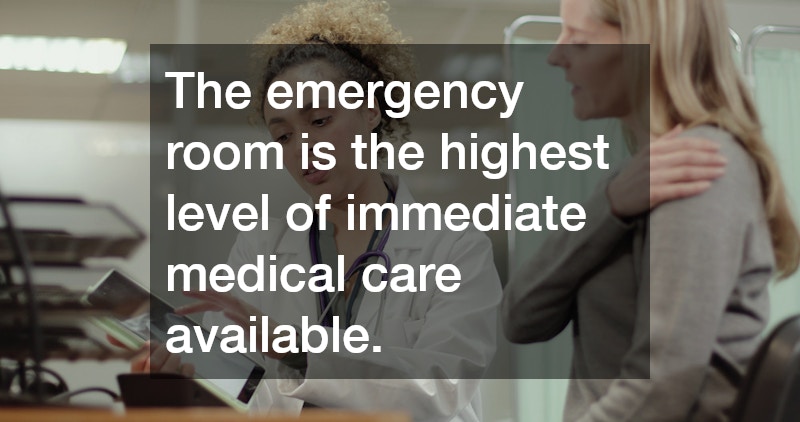
The emergency room is the highest level of immediate medical care available. It is specifically equipped to handle life-threatening conditions that require urgent intervention. Symptoms such as severe chest pain, shortness of breath, uncontrolled bleeding, sudden confusion, major burns, or signs of a stroke are indicators that the emergency room is the safest choice. These situations can escalate quickly, and only a hospital ER has the tools, specialists, and equipment to manage them.
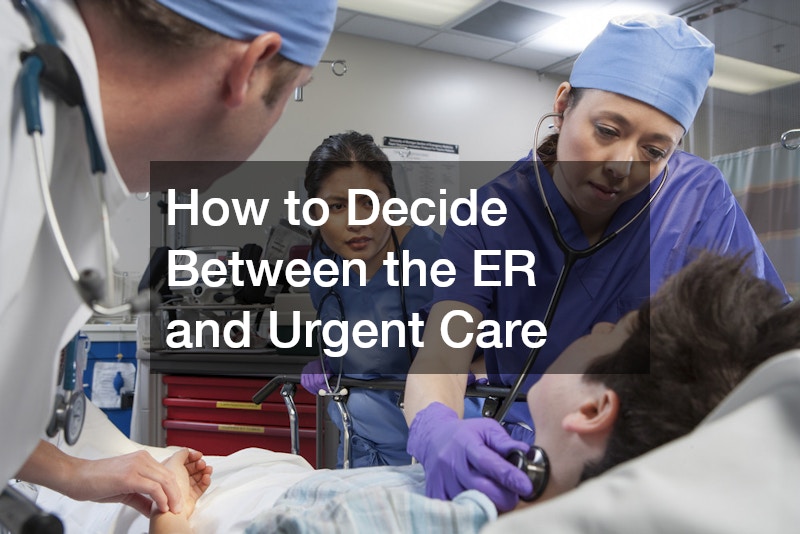
ER teams include specially trained physicians, nurses, and support staff who can respond rapidly in critical situations. Imaging machines, operating rooms, and resuscitation equipment are located nearby for quick access. Because of this setup, treatment in the ER is prioritized based on severity rather than arrival time. This means patients with the most dangerous symptoms are treated first, which is essential for saving lives but can result in long waits for those with less urgent needs.
What Urgent Care Is Designed For
Urgent care clinics fill the gap between primary care and the emergency room. They are ideal for conditions that are not life-threatening but still require same-day attention. Problems such as minor fractures, ear infections, sprains, small cuts, urinary tract infections, or flu symptoms can be handled efficiently at urgent care. These clinics typically have shorter wait times and lower costs than an ER visit, making them a practical choice for mild to moderate health concerns.
Urgent care centers often provide X-rays, basic lab tests, wound care, and physical examinations. However, their resources are limited compared to a hospital. They do not have the specialized staff or advanced diagnostic equipment needed for severe emergencies. Knowing this limitation is crucial when deciding which option best fits your symptoms.
Recognizing Which Symptoms Require the ER
A helpful way to decide between urgent care and the emergency room is to evaluate how quickly the condition could become dangerous. Life-threatening issues must always go to the ER, even if they start with mild symptoms. For example, chest discomfort might be a sign of a heart attack, and difficulty breathing can indicate a serious respiratory problem. Sudden weakness or numbness on one side of the body, violent allergic reactions, and major trauma also demand immediate ER attention.
If you are unsure whether the condition could escalate rapidly, it is safer to choose the emergency room. A good rule is to consider whether waiting several hours could significantly worsen the outcome. If the answer is yes, the ER is the more appropriate place to go.
When Urgent Care Is the Better Choice
Urgent care is designed for convenience and speed, which makes it ideal for common illnesses and minor injuries. If you have a fever, a painful but manageable sprain, a minor burn, an earache, or symptoms of a simple infection, urgent care can provide quick relief. These facilities can also perform sports physicals, medication refills, and evaluations for non-emergency conditions that still cause discomfort or inconvenience.
Because wait times are generally shorter, urgent care can be a time-saver when your condition does not require ER-level resources. Additionally, many urgent care centers list their wait times online, allowing you to plan your visit more efficiently.
Considering Cost Differences
One of the biggest factors that influences the choice between urgent care and the emergency room is cost. ER visits are significantly more expensive due to the resources available and the critical nature of the care provided. Even with insurance, copays and out-of-pocket expenses for ER treatment can be much higher than those for urgent care.
If your condition is not life-threatening, opting for urgent care can help you avoid unnecessary financial strain. However, cost should never take precedence over safety. If you suspect your condition may be serious, the emergency room remains the correct choice.
Availability and Convenience
Urgent care centers are often open during evenings and weekends, offering flexibility when primary care offices are closed. Some are even open late into the night. However, emergency rooms operate 24/7, making them available at all hours. If a problem arises in the middle of the night and cannot wait until morning, the ER provides guaranteed access to medical help.
When choosing between locations, consider what time it is, how far you are from each facility, and whether the symptoms could worsen during the trip. Convenience matters, but it should remain secondary to the seriousness of the condition.
How Medical History Influences the Decision
Your medical history also plays a role in deciding between urgent care and the emergency room. People with chronic conditions such as heart disease, severe asthma, diabetes, or immune system disorders may face higher risks when symptoms arise suddenly. Even relatively mild issues could become dangerous more quickly for these individuals.
If you or your loved one has a history of serious medical problems, choosing the ER may be the safer option, especially if symptoms appear unusual or more intense than normal.
When to Call 911 Instead of Driving
There are certain situations where driving yourself or someone else to the hospital is not safe. If a person is unconscious, having a seizure, experiencing severe chest pain, or showing signs of a stroke, call 911 immediately. Emergency responders can begin treatment before arrival and safely transport the patient to the emergency room.
Attempting to drive during a crisis can delay care or cause additional harm. When symptoms are severe or mobility is compromised, calling for emergency services is the best decision.
Knowing how to decide between the emergency room and urgent care can save valuable time and help you receive the right level of treatment. The emergency room is best for life-threatening or rapidly worsening symptoms, while urgent care is ideal for non-emergency conditions that still require prompt attention. By understanding the strengths and limitations of each option, you can make informed decisions that support your health and safety. When in doubt, prioritize caution and seek the facility best equipped to handle the symptoms at hand.